 Viking FK Hub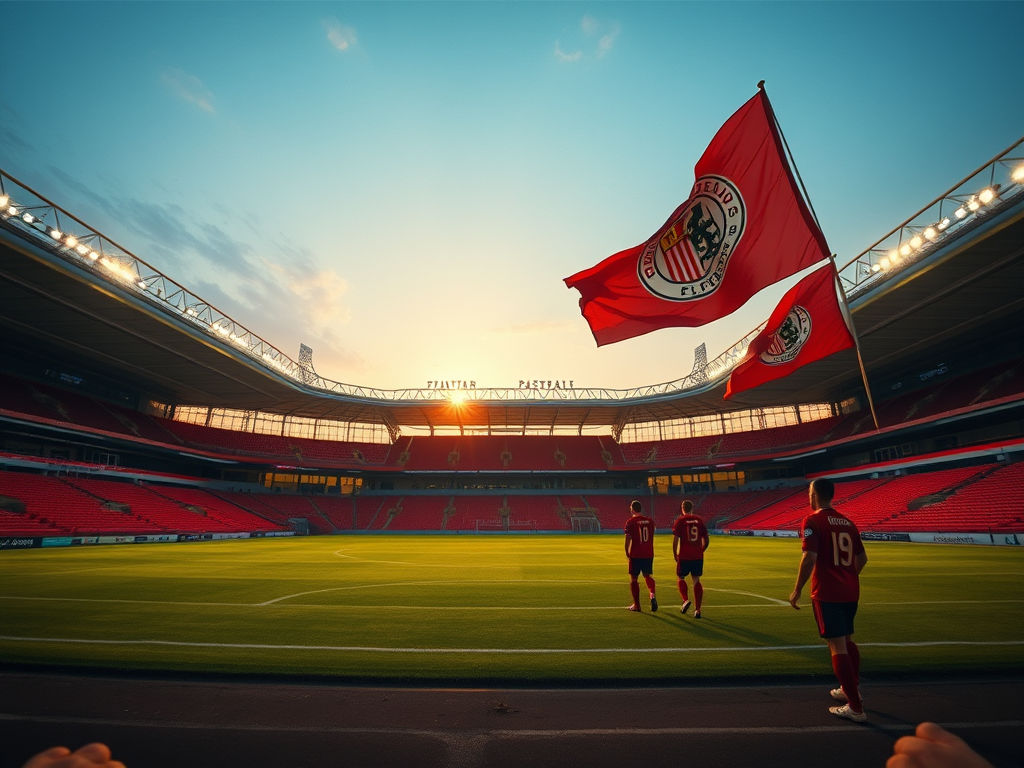
Viking FK's 1990s Transformation: Building a New Football Identity
As the 1990s dawned, Viking FK found itself at a critical juncture. The club, rich in history and tradition, faced the challenge of evolving within an increasingly competitive landscape of Icelandic football. With changing dynamics in player recruitment and a newfound focus on youth development, this decade would prove pivotal in redefining the identity of Vikingene.
At the beginning of the decade, the club was still riding the waves of its past successes but recognized the need for innovation to maintain its status. The introduction of a more structured youth academy became a cornerstone of Viking FK's strategy, aiming to cultivate homegrown talents who could embody the club's ethos. This initiative not only aimed to bolster the first team but also fostered a strong sense of community and belonging among young players, ensuring that the club's values were passed down through generations.
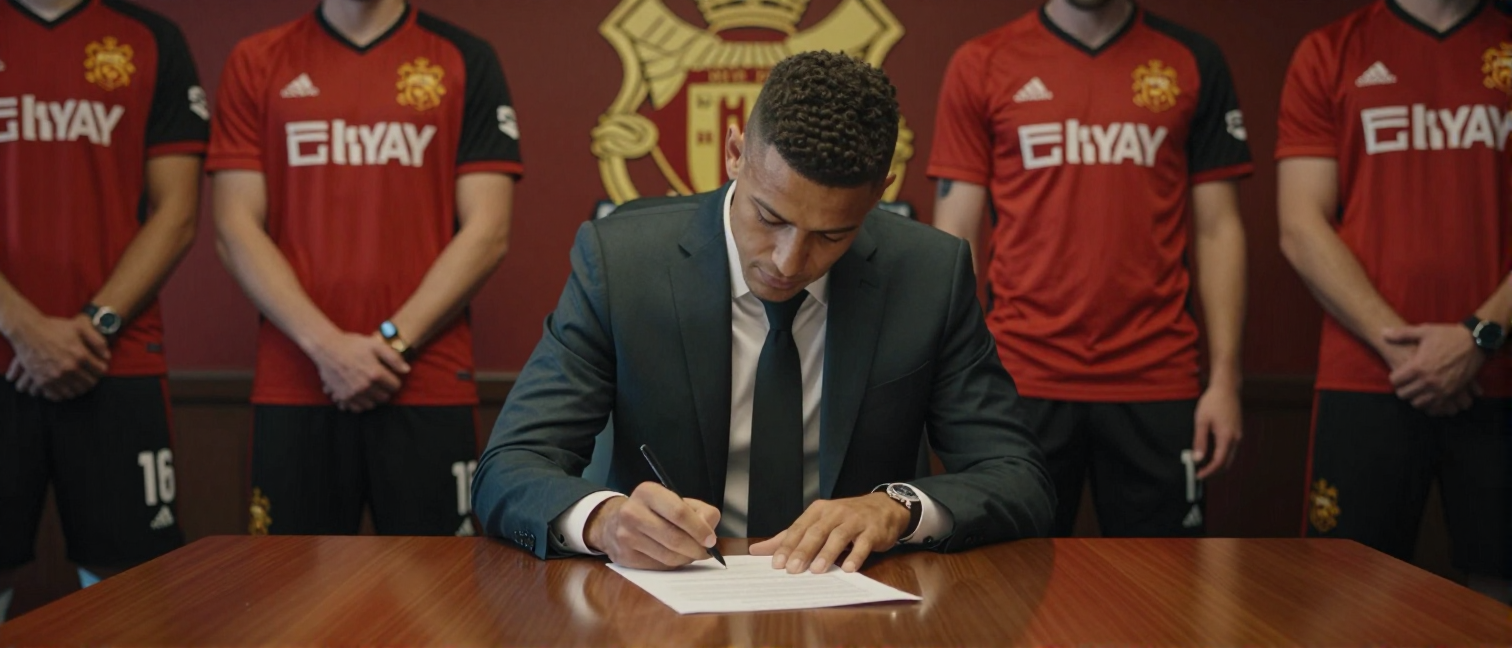
During this time, Viking FK made several strategic signings that would have a lasting impact on the squad. Experienced players like Björn Bergmann Sigurðarson returned to the club, bringing not only skill but also a wealth of experience that was invaluable for the younger players on the team. These seasoned veterans helped bridge the gap between the old guard and the newcomers, creating a harmonious environment where mentorship thrived.
The 1990s also witnessed Viking FK's commitment to improving its training facilities. Investments were made to upgrade the infrastructure at the club, including better pitches and training equipment. This focus on modernizing their facilities reflected a broader ambition to compete not just locally but also in European competitions, setting the stage for future endeavors in international tournaments.
As the decade progressed, Viking FK began to see the fruits of its labor. The club’s youth academy started producing talented players who would go on to become mainstays in the first team. Standout talents like Gísli Eyjólfsson emerged, showcasing the potential that lay within the club's developmental framework. Their performances were a testament to the quality of coaching and the supportive environment fostered by the club.
The rivalry with Stabæk intensified during this decade, adding another layer of excitement to the league. Matches against their arch-rivals became battlegrounds where both teams fought not only for points but for pride. The intensity of these encounters served as a litmus test for the club’s development and marked a significant chapter in Viking FK's history, as they began to reclaim their position as one of the top clubs in Iceland.
By the end of the 1990s, Viking FK had successfully laid down the foundations of a new footballing identity. The club transitioned from being a traditional powerhouse to a forward-thinking organization that valued youth development and modern tactics. This transformation was not merely about winning titles but about building a sustainable future for Vikingene.
Looking back, the 1990s were a defining decade that set the stage for Viking FK's successes in the new millennium. The lessons learned and the strategies implemented during this time remain relevant today as the club continues to navigate the ever-evolving landscape of Icelandic football. Viking FK's commitment to nurturing young talent and embracing innovation is a legacy that all supporters can take pride in, ensuring that the Vikingene spirit remains vibrant for generations to come.